

← Wellbeing comparisons

Wellbeing decision guide

Daily check-ins and medical alerts serve different moments

A daily check-in creates a routine and makes a missed response visible. A monitored alert is designed for a person to request help during an emergency. Many families may reasonably use both.

Sources checked July 17, 2026.

The practical differences

Choose the method that fits the routine

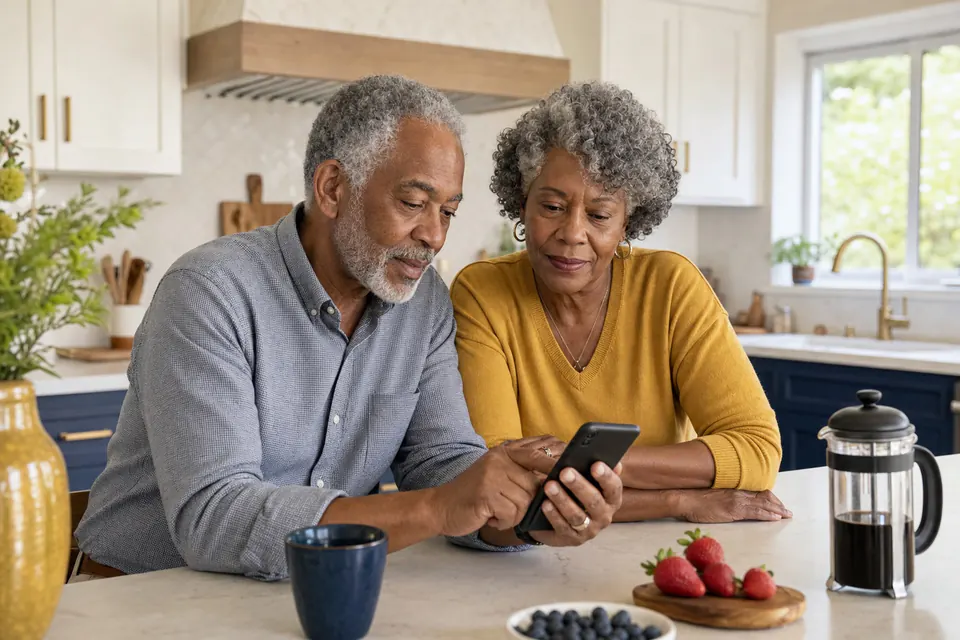
Daily wellbeing check-in

Often fits: Everyday connection, routine confirmation, and shared family awareness.

  • Reaches out on a schedule
  • Can use calls, texts, or an app
  • May provide a successful update or summary
  • Surfaces a missed routine for family follow-up
Medical alert system

Often fits: Requesting monitored help during an urgent event.

  • Often uses a pendant, watch, or home base
  • Usually depends on activation or fall detection
  • Connects to a monitoring center
  • Equipment, coverage, and response plans vary

Ask before choosing

The questions that reveal the fit

  1. 01

    Is the main need an everyday routine, emergency response, or both?

  2. 02

    Will the person consistently wear, charge, and use an alert device?

  3. 03

    Who responds after a missed check-in, and who responds after an activated alert?

  4. 04

    Does the system work at home, away from home, and while traveling?

  5. 05

    What should family do if no one can confirm the person is okay?

Sources

Provider-controlled and public-interest sources used for this guide:

Review the options

Compare providers with the same practical questions

See dated provider facts, honest best-fit guidance, and current KinKeeper options.

First-party sources · Limits included · No invented scores